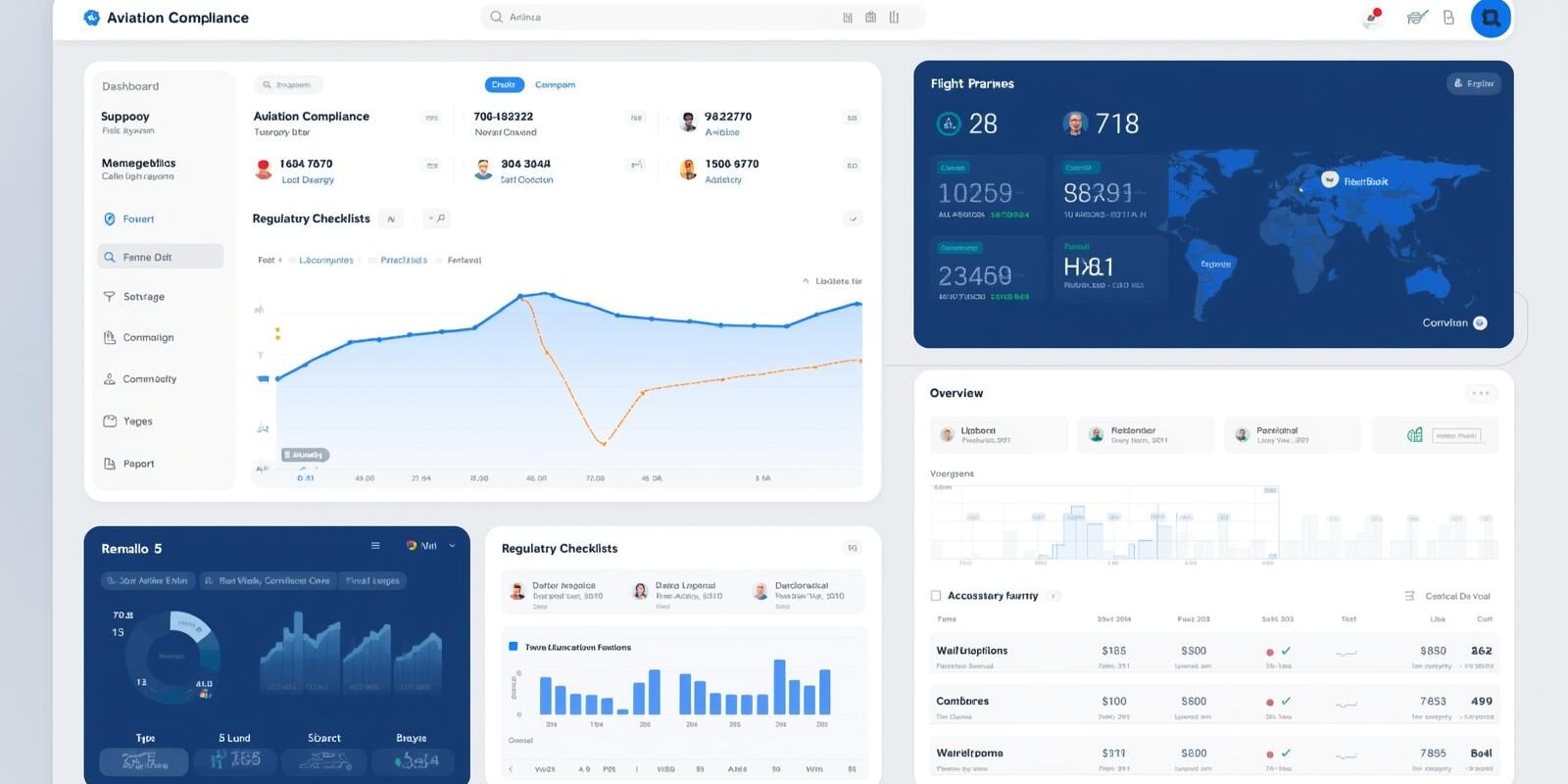
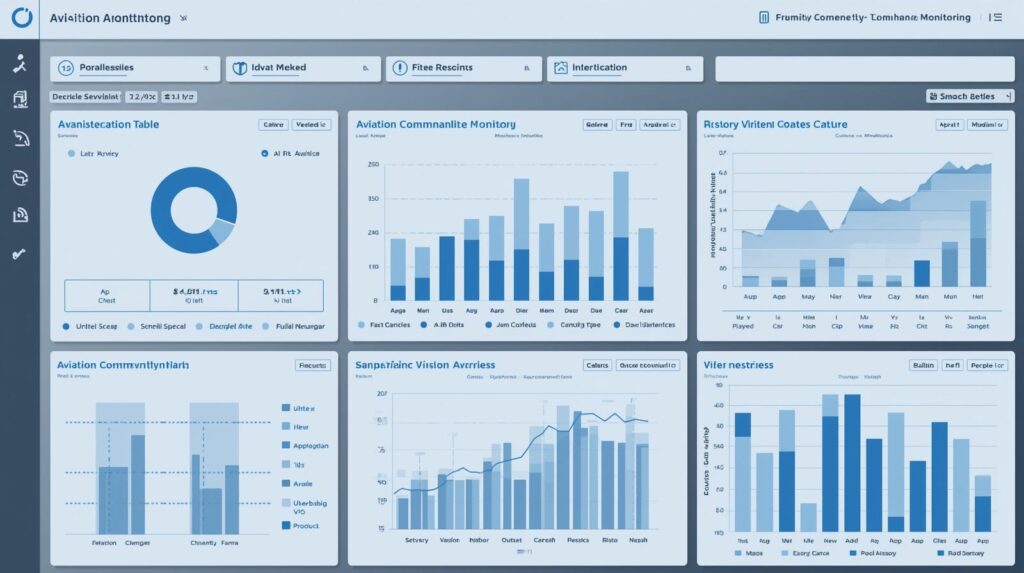
Aviation compliance monitoring software is a digital solution that helps airlines, airports, and regulators track, manage, and ensure adherence to aviation regulations. It centralizes compliance tasks like audits, safety checks, maintenance records, and reporting into one system, reducing errors, streamlining processes, and ensuring that civil aviation authorities’ standards are consistently met.
If you’re exploring adjacent tools, you may also want to read our guide on Air Traffic Controller Software: What Features Should You Look For? to see how ATC systems align with compliance goals.
How to Choose the Right Aviation Compliance Monitoring Software?
Choosing the right aviation compliance software requires balancing regulatory needs with operational efficiency. The best systems should:
- Cover global and local regulations (FAA, EASA, ICAO, CAA).
- Provide real-time monitoring and alerts for compliance issues.
- Integrate with maintenance, training, and safety systems.
- Offer easy reporting tools for audits and inspections.
- Be scalable for airlines, airports, and defense organizations of any size.
Pro Tip: Always request a demo or pilot program to test compatibility with your current infrastructure before committing.
Understanding Aviation Compliance Monitoring Software: A User’s Guide
Who uses it?
- Airlines use it to guarantee their fleets satisfy safety standards.
- Airports use it to track ground operations and staff compliance.
- Regulators rely on it for oversight and reporting.
- Military aviation uses it to align missions with defense protocols.
How it works:
- Data collection: pulls records from maintenance logs, training systems, and safety reports.
- Monitoring: checks compliance against aviation regulations in real time.
- Alerts & Reports :notifies managers about risks, overdue inspections, or expired certifications.
- Audit Support : generates ready-to-submit compliance reports for authorities.
Think of it as the central nervous system of aviation safety and compliance.
Why Is Aviation Compliance Monitoring Important?
Compliance monitoring is critical because it directly impacts aviation safety and trust. Aviation is one of the world’s most severely regulated businesses. Without compliance:
- Aircraft could fly with missed inspections.
- Pilots may operate without up-to-date certifications.
- Airlines could face fines, penalties, or grounding.
- Passengers’ safety and brand reputation are at risk.
Simply put: compliance monitoring protects lives, reduces financial risk, and safeguards the aviation industry’s reputation.
For a broader industry view, check out our analysis of the Top 15 Air Traffic Control Software Companies in 2025 many of these providers also influence compliance and safety innovations.
How Does Aviation Compliance Monitoring Software Improve Safety?
Aviation compliance monitoring software improves safety by automating error-prone tasks and ensuring no compliance detail is overlooked.
| Feature | Safety Impact |
|---|---|
| Automated Alerts | Prevents missed inspections or license expirations. |
| Audit Trails | Provides transparent records for investigations. |
| Real-Time Monitoring | Detects non-compliance before it becomes a risk. |
| Integration with Maintenance Systems | Ensures aircraft servicing follows strict regulatory timelines. |
| Training & Certification Tracking | Keeps pilots and crew fully qualified and compliant. |
Example: A leading European airline reduced maintenance errors by 35% after implementing aviation regulatory compliance software that tracked every inspection automatically.
Where to Find the Best Aviation Compliance Monitoring Solutions?
If you’re searching for aviation compliance monitoring solutions, start with trusted vendors that specialize in aviation software. Popular providers include:
- Alisons Technology: offering certified advanced aviation compliance monitoring software tailored for airlines, regulators, and defense aviation. Also, you can explore their ATC software at at-elog.com.
- Safety and Compliance Suites:integrated systems for airlines and airports.
- Civil Aviation Compliance Software: tailored for government authorities.
- Defense Aviation Compliance Systems:designed for military protocols.
Where to look:
- Industry directories (IATA, ICAO, FAA vendor lists).
- Aviation software marketplaces like SoftwareWorld.
- Specialized providers (Smart Airport IoT companies, aviation IT consultancies).
Always evaluate based on certifications, integration capability, and post-deployment support.
The Future of Aviation Compliance Monitoring Software
The next generation of aviation compliance monitoring software will integrate AI, IoT, and predictive analytics. Here’s what to expect:
- AI-powered predictive compliance solutions will detect potential noncompliance before it occurs.
- Blockchain records: tamper-proof audit trails for regulators.
- IoT integration enables real-time data from aircraft sensors to feed compliance dashboards.
- Mobile-first compliance apps provide personnel and inspectors with quick compliance updates.
- Global standardization: one platform to meet FAA, EASA, ICAO, and local CAA rules simultaneously.
Future-ready compliance tools won’t just track rules; they’ll prevent incidents before they happen.
People Also Ask (FAQs)
What is aviation compliance software used for?
It is used to track and enforce compliance with aviation safety regulations, maintenance schedules, and crew certifications to prevent safety risks and regulatory violations.
How to ensure aviation compliance with software?
Organizations ensure aviation compliance by using monitoring software that automates record-keeping, sends alerts for upcoming inspections, and generates audit-ready reports.
Who needs civil aviation compliance software?
Civil aviation authorities, airlines, airports, and defense aviation sectors need compliance software to maintain safety, regulatory adherence, and operational efficiency.
Is aviation regulatory compliance software expensive?
Costs vary depending on scale. Small private operators may pay a few thousand dollars annually, while large airlines or authorities may invest in enterprise systems costing millions.
Can aviation compliance monitoring software integrate with existing systems?
Yes. The best solutions integrate seamlessly with maintenance systems (MRO), pilot training platforms, and airport operations management software.
Final Thoughts & Call to Action
Aviation compliance monitoring software is no longer optional; it’s essential. In a high-stakes industry where safety, trust, and regulation are everything, relying on spreadsheets or manual audits is a dangerous gamble.
By investing in modern aviation compliance software, aviation authorities, airlines, and defense organizations can:
- Guarantee passenger and crew safety.
- Avoid costly fines and operational delays.
- Simplify audits and regulatory reporting.
- Future-proof operations with AI and predictive tools.
Ready to modernize your compliance strategy? Contact Alison’s Technology today to explore tailored aviation compliance monitoring solutions designed for airlines, regulators, and defense aviation.