Introduction:
Air travel keeps growing. Aircraft are smarter, skies are busier, and passenger expectations are higher than ever. But in many regions, the air traffic control system behind the scenes hasn’t kept up.
What this really means is simple: when you rely on an outdated air traffic control system, you’re asking old technology to handle modern aviation problems. That gap creates operational, safety-related, financial, and even political risks. Alisons Technology helps airports and aviation authorities bridge this gap by implementing modern air traffic management automation systems and advanced air traffic control system software, ensuring safer, more efficient, and future-ready airspace operations.
Let’s break down what those risks look like, why they matter, and how solutions from Alisons Technology change the equation.
What is Outdated Air Traffic Control System
An outdated air traffic control system increases the risk of flight delays, safety incidents, system outages, human error, cybersecurity threats, and regulatory non-compliance. Without modern air traffic control automation systems and updated air traffic control system software, airports and aviation authorities struggle to manage growing air traffic safely, efficiently, and in line with global standards.
1. Increased Safety Risks and Human Error
Safety is the foundation of aviation. But older air traffic control system software often depends heavily on manual processes, voice-based coordination, and fragmented data sources.
Controllers may have to:
- Manually cross-check flight data
- Rely on paper strips or legacy displays
- Handle scheduling conflicts without predictive support
This increases cognitive load. Fatigue, missed signals, and delayed reactions become more likely especially during peak traffic or bad weather.
Modern air traffic control automation systems reduce this risk by automating conflict detection, providing real-time alerts, and integrating radar, weather, and flight plans into one coherent view.
For a deeper look at how modern systems reduce safety risks, see: How Does Air Traffic Control Software Ensure Safety?
2. Delays, Congestion, and Inefficient Airspace Use
An outdated air traffic control system struggles to optimize airspace. It reacts instead of predicts.
The result?
- Longer holding patterns
- Missed slot opportunities
- Inefficient routing
- Increased fuel burn
When traffic volume spikes, legacy systems simply can’t scale fast enough. They lack real-time analytics, demand forecasting, and dynamic rerouting capabilities.
A new air traffic control system uses automation and data modelling to anticipate congestion and adjust flow before delays cascade across airports and regions.
3. Limited Integration With Modern Aviation Technology
Today’s aviation ecosystem includes:
- Advanced aircraft avionics
- Satellite-based navigation
- AI-driven weather forecasting
- Airport surface management tools
Older air traffic control system software often can’t integrate smoothly with these technologies. Data gets siloed. Interfaces break. Workarounds become routine.
This lack of integration limits the benefits of innovation across the entire aviation chain, from cockpit to runway.
A modern air traffic management automation system is built for interoperability using standardized APIs, modular architecture, and real-time data exchange.
To understand how system design impacts performance, explore: A Comprehensive Guide to Air Traffic Control Software Architecture
4. Higher Risk of System Failures and Downtim
Legacy infrastructure ages poorly. Hardware becomes hard to replace. Software updates stop. Vendor support fades.
That’s when outages happen.
An outdated air traffic control system is more vulnerable to:
- Unexpected shutdowns
- Data corruption
- Slow recovery after failures
In aviation, even minutes of downtime can ground flights, disrupt national airspace, and cost millions.
Modern systems are designed with redundancy, failover mechanisms, and cloud or hybrid deployment models that keep operations running even when something goes wrong.
5. Cybersecurity Vulnerabilities
Older air traffic control system software wasn’t designed for today’s threat landscape. Many legacy systems:
- Lack encryption
- Use outdated operating systems
- Have limited access controls
This makes them attractive targets.
Cyberattacks on aviation systems don’t just threaten data they threaten safety, public trust, and national security.
A new air traffic control system incorporates modern cybersecurity practices from the ground up, including continuous monitoring, secure authentication, and compliance with international security frameworks.
6. Regulatory and Compliance Challenges
Aviation authorities operate under strict global regulations from bodies like ICAO and regional regulators. Outdated systems make compliance harder.
Manual reporting, inconsistent logs, and limited audit trails increase the risk of:
- Regulatory violations
- Failed safety audits
- Delayed certifications
Modern air traffic management automation systems generate accurate, time-stamped records automatically—supporting compliance, transparency, and accountability.
Learn how software helps enforce aviation standards here: What Is Aviation Compliance Monitoring Software?
7. Workforce Strain and Poor ATC Scheduling
Air traffic control isn’t just about technology. It’s about people.
Legacy systems often lack proper ATC scheduling & rostering tools. That leads to:
- Uneven workloads
- Controller fatigue
- Staffing shortages during peak hours
When scheduling is done manually or with disconnected tools, planners can’t respond quickly to disruptions or sudden demand changes.
Modern systems integrate workforce management directly into the air traffic control automation system—balancing shifts, predicting staffing needs, and supporting controller well-being.
8. Rising Operational Costs
An outdated air traffic control system costs more than it seems.
You pay through:
- Higher maintenance expenses
- Inefficient fuel usage due to delays
- Extra staffing to compensate for manual tasks
- Missed capacity opportunities
Over time, these hidden costs add up.
Investing in a new air traffic control system isn’t just a technology upgrade it’s a long-term cost optimization strategy.
9. Slower Response to Emergencies
In emergencies, speed and clarity matter.
Older systems may struggle to:
- Share real-time data with emergency services
- Re-route traffic instantly
- Provide predictive risk analysis
Modern air traffic control system software uses automation and analytics to support faster, smarter decision-making when it matters most.
10. Falling Behind Global Aviation Standards
Aviation is global. If your systems lag behind, your airspace becomes harder to integrate with international traffic flows.
Airlines may face:
- Operational restrictions
- Limited route approvals
- Higher insurance costs
Upgrading to modern air traffic management automation systems ensures alignment with global best practices and future-ready standards.
To see who’s building the next generation of aviation systems, check out: Top 22 Aviation Software Development Companies in 2026
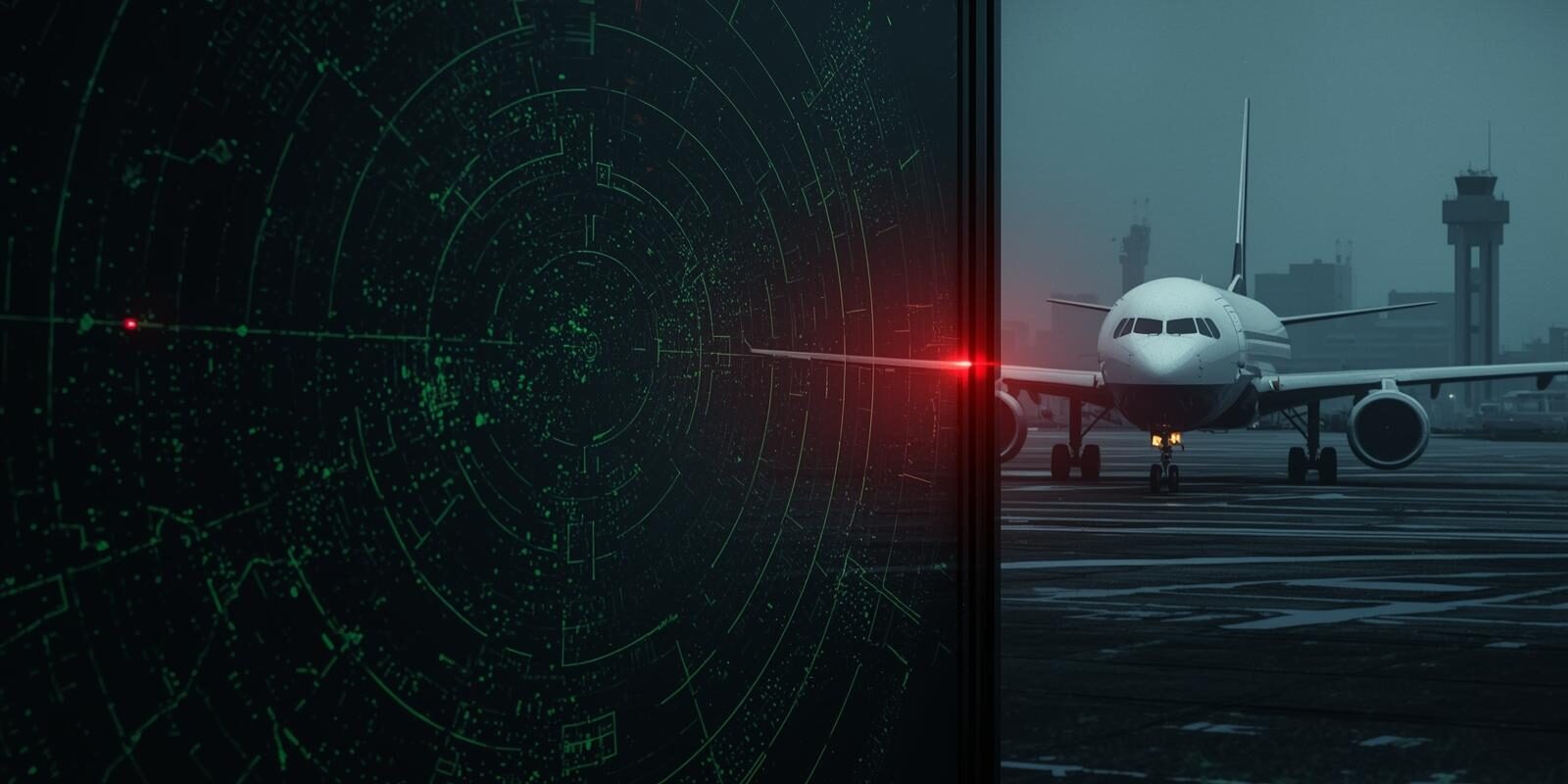
Visual Snapshot: Outdated vs. New Air Traffic Control System

- Manual vs. automated conflict detection
- Reactive vs predictive traffic flow
- Legacy hardware vs. scalable architecture
- Manual rostering vs smart ATC scheduling
Conclusion:
Here’s the thing: aviation doesn’t stand still. When air traffic grows and technology advances, an outdated air traffic control system becomes a liability.
Modernizing isn’t about replacing screens or ticking compliance boxes. It’s about safety, efficiency, resilience, and readiness for what’s next.
A new air traffic control system, powered by automation, from Alisons Technology smart software architecture, and intelligent scheduling, isn’t optional anymore it’s essential for keeping skies safe and operations sustainable.
FAQs About Outdated Air Traffic Control System
What defines an outdated air traffic control system?
An outdated air traffic control system relies on legacy software, manual processes, and limited automation and lacks integration with modern aviation technologies.
How does automation improve air traffic control safety?
Air traffic control automation systems reduce human error, provide real-time alerts, predict conflicts, and support controllers with accurate, integrated data.
Is upgrading air traffic control systems expensive?
While upfront costs exist, a new air traffic control system reduces long-term operational expenses, delays, fuel waste, and maintenance costs.
Can outdated systems handle increasing air traffic?
Not effectively. Growing air traffic requires scalable air traffic management automation systems that can predict demand and optimize airspace dynamically.
How do ATC scheduling & rostering impact safety?
Poor scheduling increases fatigue and error risk. Modern systems balance workloads and ensure controllers are alert and supported.
Are legacy ATC systems vulnerable to cyber threats?
Yes. Older air traffic control system software often lacks modern cybersecurity protections, making it more exposed to attacks.